
Maintaining a healthy septic system is essential for every homeowner, and regular inspections are a key part of that maintenance. But how often should you really have your septic system inspected? Let's dive into the factors that determine the ideal inspection frequency to keep your system running smoothly and avoid costly problems.
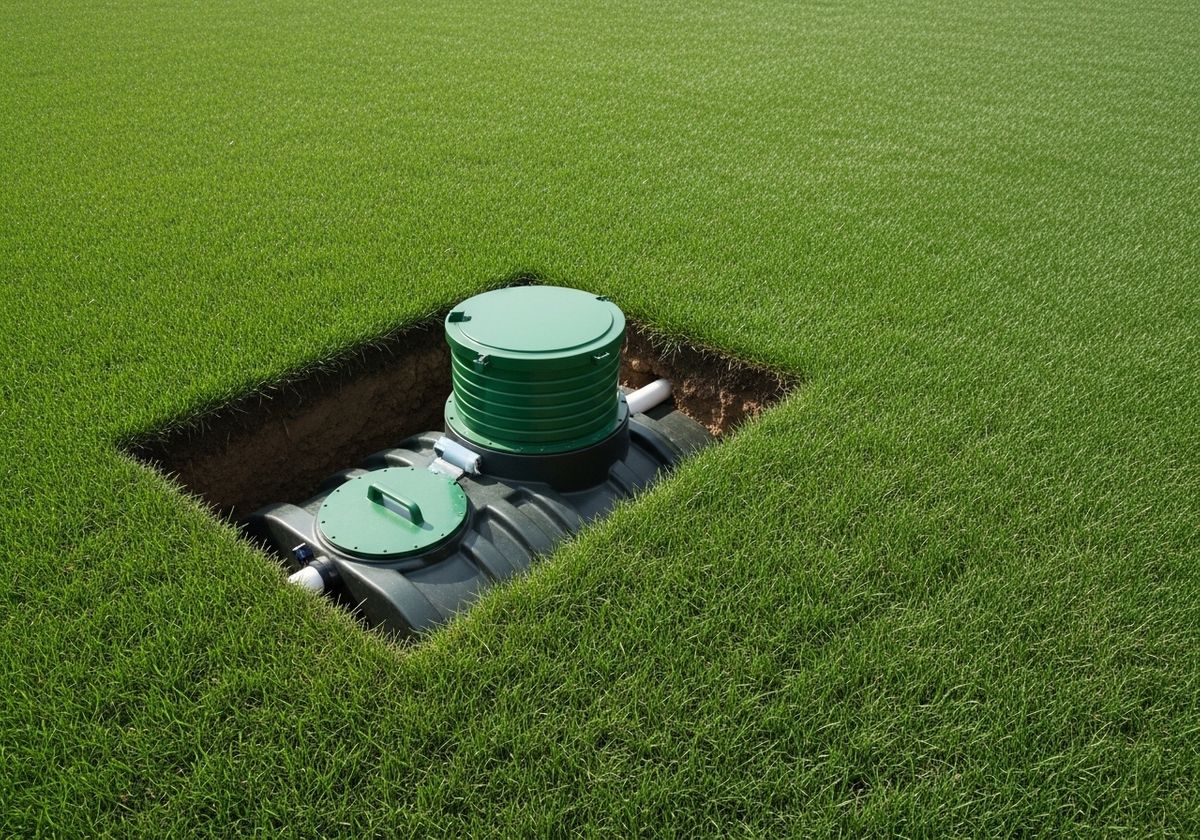
Factors Influencing Inspection Frequency
Several factors can affect how often your septic system should be inspected:
Household Size: Larger households typically generate more wastewater, placing a greater load on the septic system. If you have a large family or frequently host guests, more frequent inspections are advisable.
Water Usage: High water usage, whether from long showers, frequent laundry loads, or running appliances, can saturate the drainfield more quickly. Monitoring your water consumption and adjusting your inspection schedule accordingly is important.
System Age: Older systems may be more prone to issues due to wear and tear. Regular inspections can help identify problems early and prevent major failures.
Soil Type: The type of soil in your drainfield area affects how well wastewater is absorbed. Clay soils, for example, drain slower than sandy soils, which can impact system performance.
Usage Patterns: Properties with seasonal or intermittent use, such as vacation homes, may require inspections before and after periods of heavy use to ensure optimal function.
Recommended Inspection Schedule
While the ideal inspection frequency varies based on the factors mentioned above, here are some general guidelines:
General Recommendation: Most septic systems should be inspected at least every three years. This helps catch minor issues before they escalate into major problems.
High-Use Systems: If your household has high water usage, a large family, or an older system, annual inspections may be necessary to ensure everything is functioning correctly.
Real Estate Transactions: Septic inspections are commonly required during real estate transactions to assess the system's condition and compliance with local regulations.
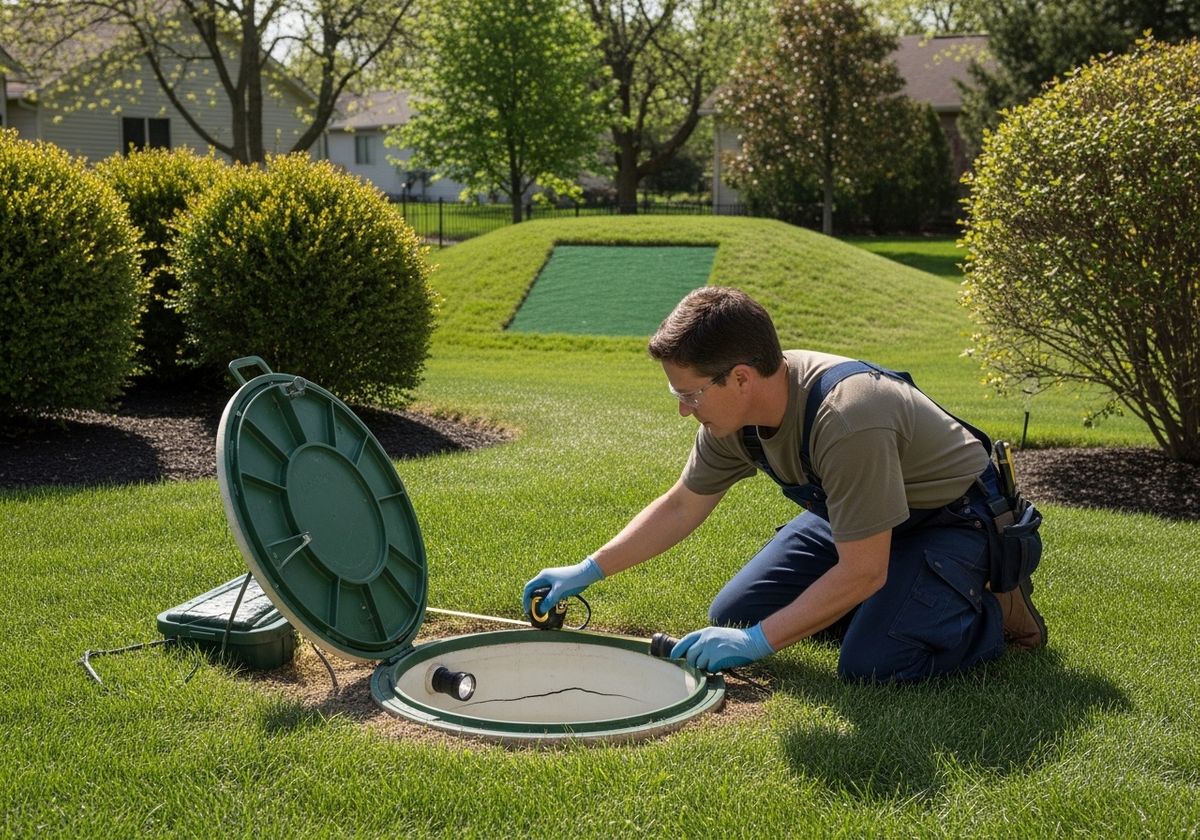
What to Expect During an Inspection
A typical septic system inspection involves several key steps:
Tank Inspection: The inspector will check the tank for cracks, leaks, and proper liquid levels. They'll also measure the scum and sludge layers to determine if pumping is needed.
Drainfield Assessment: The drainfield is examined for signs of failure, such as standing water, soggy areas, or foul odors. The inspector may also check for proper drainage and effluent distribution.
Component Check: Components like pumps, alarms, and filters are inspected to ensure they are functioning correctly. Any necessary repairs or replacements will be identified.
Documentation: A detailed report is provided, outlining the system's condition, any identified issues, and recommendations for maintenance or repairs.
Regular septic inspections are a small investment that can save you from costly repairs and potential environmental hazards. By understanding the factors that influence inspection frequency and following a recommended schedule, you can keep your septic system in optimal condition for years to come. Remember, maintaining your septic system is not just about addressing problems as they arise; it's about preventing them in the first place.
At Grandy Services, Your Local Affordable Septic System Expert, we understand the importance of regular septic inspections. As a family-owned business serving Peoria and Mapleton, Illinois, we're dedicated to providing comprehensive and affordable septic solutions. Our thorough inspection services ensure your system is running efficiently, helping you avoid unexpected issues and costly repairs. Contact us today to schedule your septic inspection and experience the peace of mind that comes with knowing your system is in expert hands. We are committed to providing expertise and reliable septic system services, making us a trusted choice for homeowners. Call us for an inspection today!