

A sudden septic system failure can be a homeowner's nightmare, leading to unpleasant odors, potential health hazards, and property damage. Knowing how to react swiftly and effectively can minimize the impact and get your system back on track as soon as possible. Here's a guide to help you navigate this challenging situation.
Recognizing the Signs of Septic System Failure
Before diving into solutions, it's crucial to identify the signs of a failing septic system. These can include:
Slow Draining Fixtures: Drains throughout your home are noticeably slower than usual.
Sewage Backup: Raw sewage surfacing in your yard or backing up into toilets and drains.
Foul Odors: A strong, unpleasant smell emanating from your yard, especially near the septic tank or drainfield.
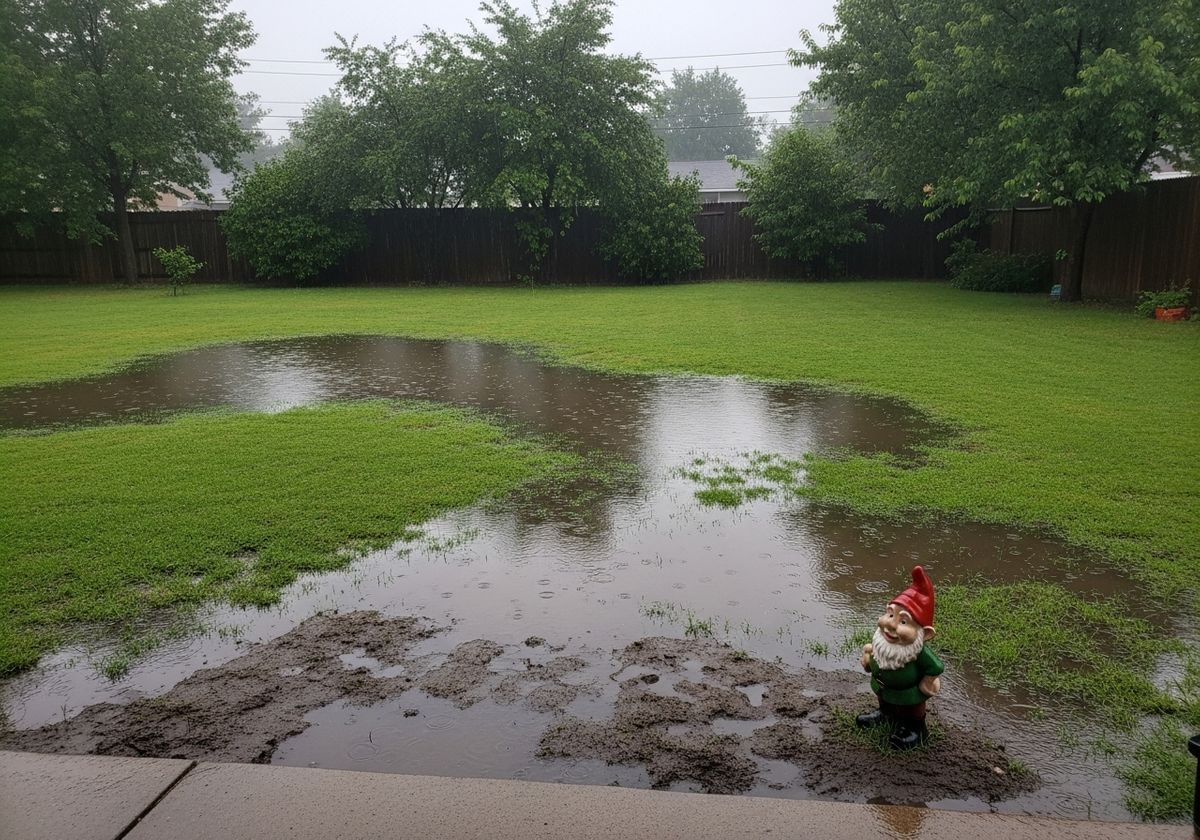
Standing Water: Soggy or waterlogged areas in your yard, particularly over the drainfield.
Gurgling Sounds: Unusual gurgling sounds in your plumbing system.
Immediate Steps to Take
If you suspect a septic system failure, take these immediate steps:
Reduce Water Usage: Minimize water usage to prevent further strain on the system. This means limiting showers, laundry, and dishwashing.
Avoid Using Drains: Refrain from flushing toilets or using any drains if you suspect a backup is imminent.
Keep People and Pets Away: Prevent children and pets from accessing the affected area to avoid contact with potentially harmful bacteria.
Call a Professional: Contact a licensed septic system professional immediately. Describe the situation and any visible signs of failure. They can assess the problem and recommend the appropriate course of action.

Working with a Septic System Professional
A qualified technician will conduct a thorough inspection to determine the cause and extent of the failure. This may involve:
Septic Tank Inspection: Examining the tank for cracks, leaks, or excessive sludge buildup.
Drainfield Assessment: Evaluating the drainfield for signs of saturation or damage.
Component Testing: Checking the functionality of pumps, filters, and other system components.
Based on their findings, the professional will recommend the necessary repairs or replacement. Common solutions include:
Emergency Septic Pumping: Removing excess waste and liquid from the tank to alleviate immediate pressure.
Septic System Repair: Addressing issues like broken pipes, damaged baffles, or malfunctioning pumps.
Septic Tank Installation: Replacing a severely damaged or failing tank with a new one.
Drainfield Restoration: Repairing or replacing the drainfield to improve wastewater filtration.
Preventative Maintenance
While you're dealing with the aftermath of a failure, it's an ideal time to consider preventative measures:
Regular Septic System Inspection: Schedule routine inspections to identify and address potential problems early on. Regular septic system inspection can save you from costly repairs down the road.
Proper Waste Disposal: Be mindful of what goes down your drains. Avoid flushing non-biodegradable items, grease, and harsh chemicals.
Water Conservation: Practice water conservation to reduce the load on your septic system. The less water that goes into your system, the better.
Septic Tank Pumping: Have your septic tank pumped regularly, typically every 3-5 years, depending on usage and tank size.
Dealing with a septic system failure can be stressful, but understanding the signs, taking swift action, and working with a qualified professional can help you resolve the issue efficiently. Regular maintenance and responsible usage are key to preventing future problems and ensuring the longevity of your system.
If you're facing a septic system emergency or need reliable sewer plumbing services, remember that Grandy Services provides quality septic system repair and septic tank installation services at an affordable price. Contact us today for trusted expertise and peace of mind. We're here to help you maintain a healthy and efficient septic system!