
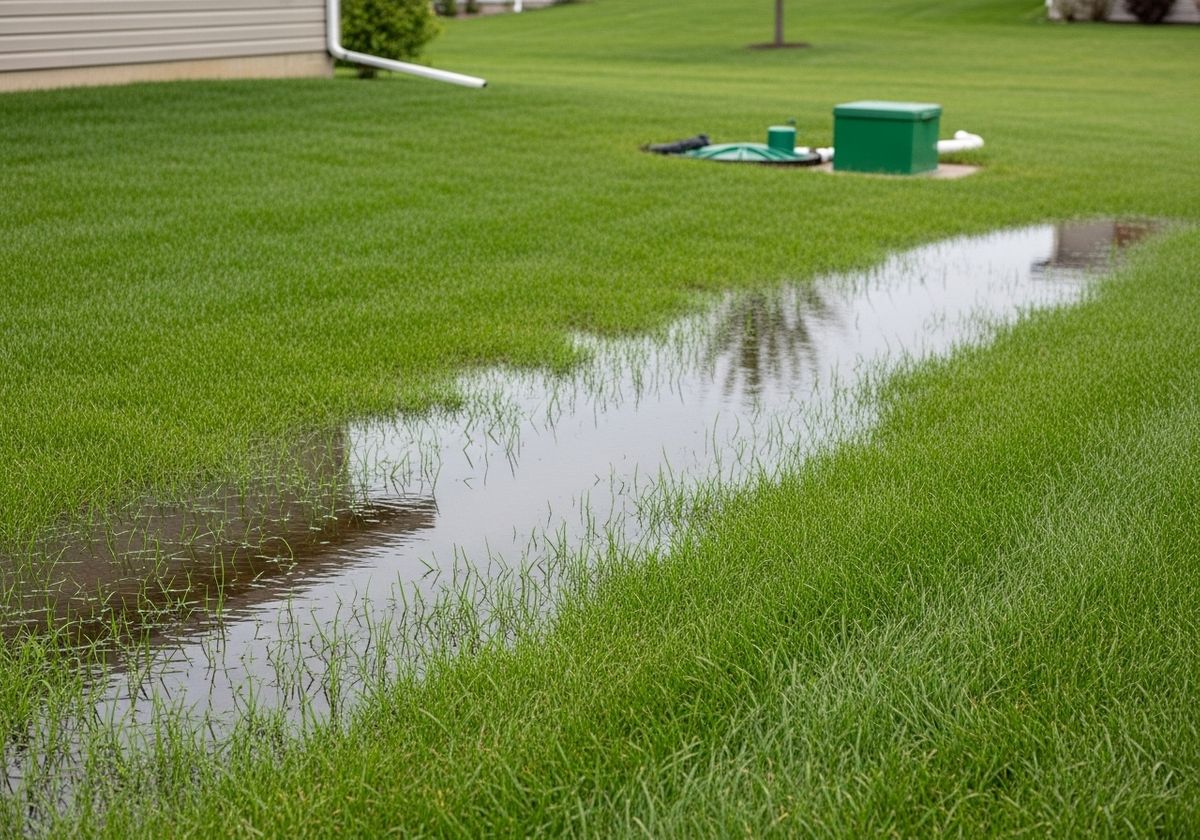
A soggy, waterlogged yard can be more than just an eyesore; it can be a sign of serious problems brewing beneath the surface. One of the most concerning possibilities is a failing septic system. Understanding the connection between a wet yard and septic issues is crucial for homeowners to protect their property and health.
Identifying the Signs
While a wet yard can stem from various causes like excessive rain or poor drainage, several telltale signs point specifically to septic system failure. Look out for these indicators:
Foul Odors: A distinct sewage smell lingering in your yard is a major red flag.
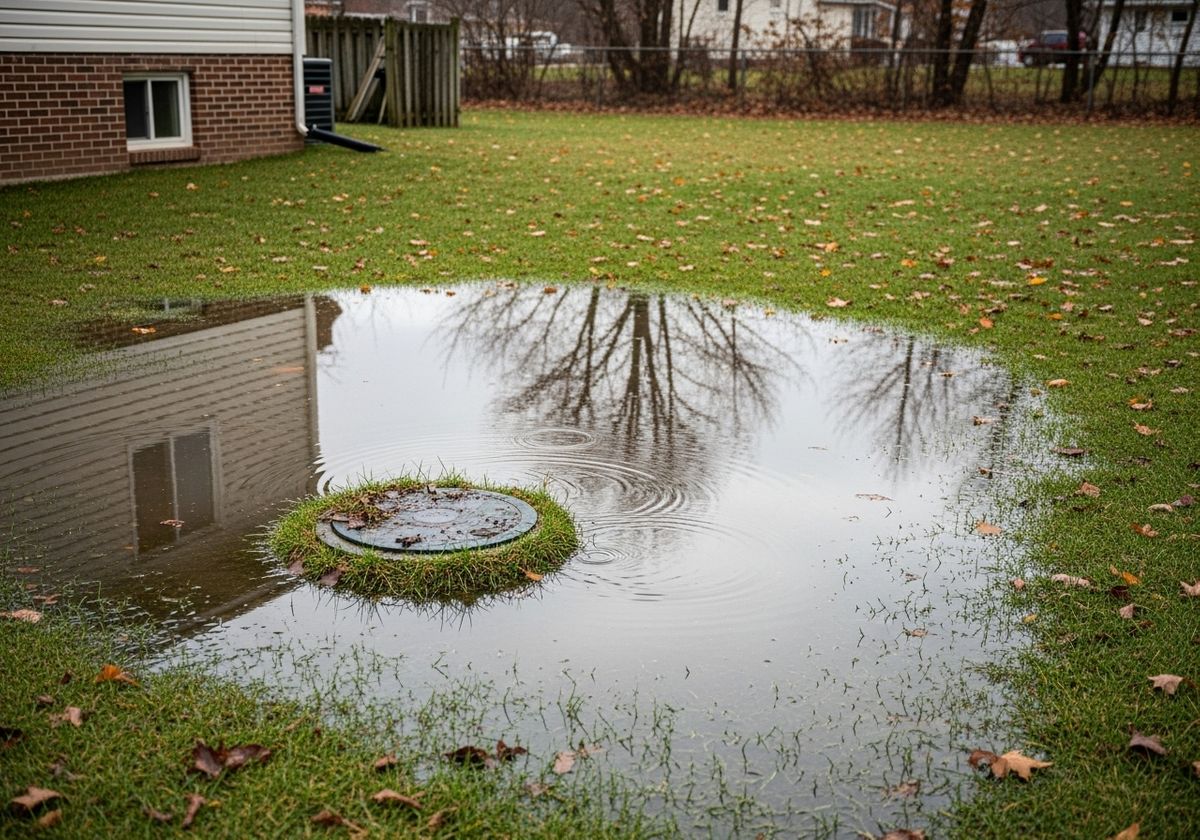
Standing Water or Puddles: Areas of standing water, especially near the septic tank or drainfield, suggest that wastewater isn't being properly absorbed into the ground.
Slow Drains: If your toilets, sinks, or showers are draining more slowly than usual, it could indicate a backup in the septic system.
Lush, Green Patches: Abnormally lush and green patches of grass in your yard, particularly over the drainfield, can be a sign of nutrient-rich wastewater seeping into the soil.
Sewage Backup: In severe cases, sewage may back up into your home through toilets or drains.
Potential Causes of Septic Failure
Several factors can contribute to septic system failure, leading to a wet yard. Common causes include:
Old Age: Septic systems have a limited lifespan, typically around 20-30 years. As they age, components can deteriorate and fail.
Improper Maintenance: Neglecting regular septic tank pumping and inspections can lead to solids buildup, clogs, and eventual failure.
Overuse: Excessive water usage in the home can overload the septic system, preventing it from properly treating wastewater.
Damage to the Tank or Drainfield: Physical damage to the septic tank or drainfield can compromise its functionality.
Tree Roots: Tree roots can infiltrate and clog the drainfield lines, hindering wastewater absorption.

What to Do If You Suspect Septic Failure
If you notice any of the signs mentioned above, it's crucial to take action promptly. Here's what you should do:
Contact a Qualified Septic Professional: Schedule a septic system inspection with a licensed and experienced sewer plumbing services contractor. They can accurately diagnose the problem and recommend the appropriate solution.
Avoid Using Water Excessively: Reduce your water consumption to minimize the strain on the septic system. This includes taking shorter showers, doing laundry less frequently, and fixing leaky faucets.
Keep Traffic Off the Drainfield: Avoid driving or parking vehicles on the drainfield, as this can compact the soil and damage the system.
Consider Septic Tank Pumping: Regular emergency septic pumping is essential to maintain a healthy septic system. If you haven't had your tank pumped in the last 3-5 years, schedule a pumping service.
Addressing Septic System Problems
The appropriate solution will depend on the specific cause and extent of the septic failure. Common remedies include:
Septic System Repair: Addressing issues like damaged pipes, broken baffles, or clogged drainfield lines.
Septic Tank Replacement: Replacing an old or damaged septic tank.
Drainfield Restoration: Repairing or replacing a failing drainfield.
Septic Tank Installation: Installing a brand new septic system to replace a failing one.
Ignoring a wet yard can lead to costly repairs, environmental contamination, and potential health hazards. Recognizing the signs of septic failure and taking prompt action is essential for maintaining a healthy home and property. If you're concerned about your septic system, don't hesitate to contact Grandy Services, your local affordable septic system expert, for a thorough septic system inspection and reliable septic system repair services. We're committed to ensuring your septic system functions properly.