

As a homeowner, understanding the health of your septic system is crucial for preventing costly repairs and maintaining a functional home. A professional septic inspection is a comprehensive evaluation that can identify potential issues before they become major problems. But what exactly can you expect during one of these inspections? Let's walk through the process, so you know what to anticipate when the professionals arrive.

Initial Consultation and Records Review
Before diving into the physical inspection, the technician will typically start with a consultation. Be prepared to provide information about your system's history, including the last time it was serviced, any known issues, and the number of people living in your household. The inspector may also ask for any existing records or permits related to your septic system. This initial information helps them tailor the inspection to your specific needs and circumstances.
Visual Examination
The first step in the physical inspection is a visual examination of the accessible components of your septic system. This includes:
Septic Tank: The technician will locate and uncover the access points to your septic tank. They will then inspect the tank for cracks, leaks, and other signs of damage. They will also measure the levels of scum and sludge to determine if the tank needs pumping.
Distribution Box: The distribution box is a small container that evenly distributes effluent from the septic tank to the drainfield. The inspector will check the box for clogs, damage, and proper functioning.
Drainfield: The drainfield, also known as the leach field, is where the effluent is filtered and absorbed into the soil. While a thorough inspection of the drainfield can be more involved, the technician will look for signs of failure, such as standing water, soggy areas, or foul odors.
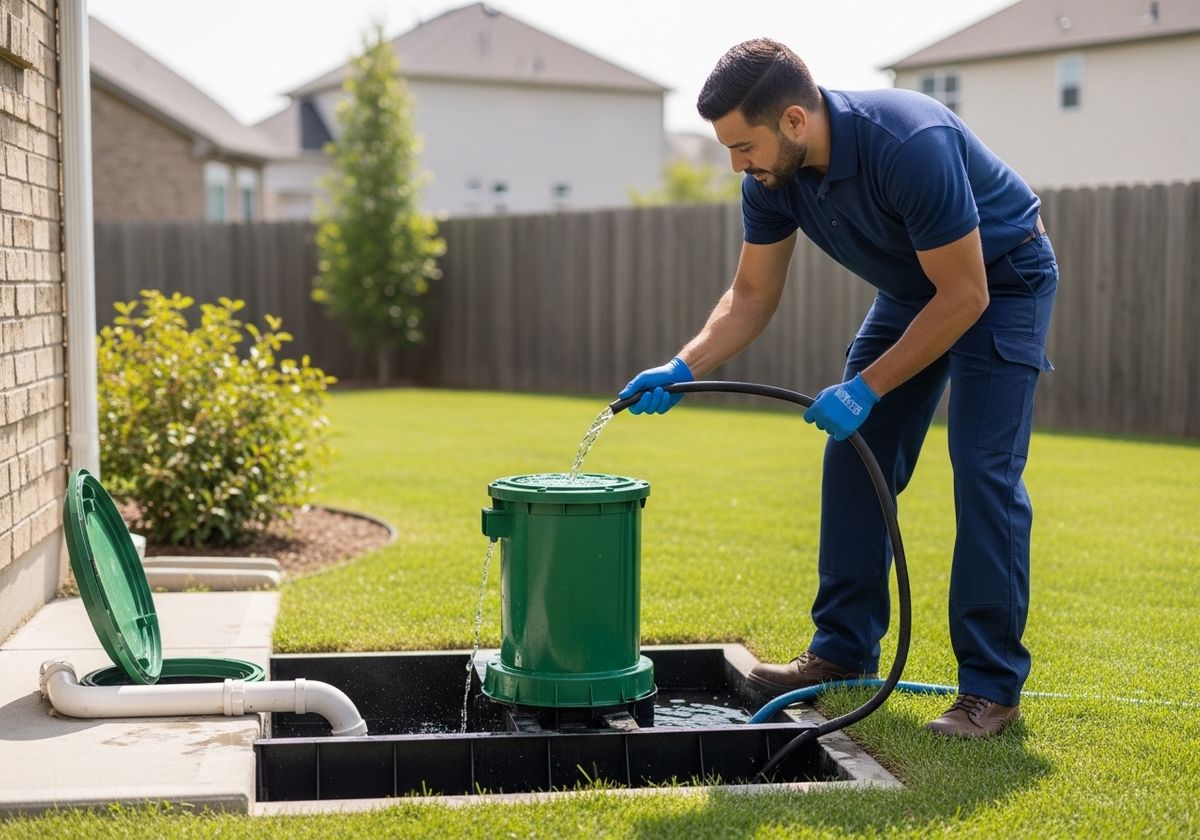
Functional Testing
Functional testing involves assessing how well your septic system is operating. This may include:
Water Flow Test: The technician may run water into the system to observe how it flows and drains. This can help identify any blockages or slow drainage issues.
Effluent Sampling: In some cases, the inspector may take a sample of the effluent to test for bacteria or other contaminants. This can help determine if the system is properly treating wastewater.
Detailed Report and Recommendations
Following the inspection, you'll receive a detailed report outlining the findings. This report will include:
Description of the System: A summary of the type and size of your septic system.
Observations: A record of any issues or concerns identified during the inspection.
Recommendations: Suggestions for repairs, maintenance, or further evaluation.
Understanding what to expect during a septic inspection can ease any anxieties and help you prepare for the process. Regular inspections are an investment in your property and can save you from unexpected, costly problems down the road. Remember, a healthy septic system is vital for a healthy home. If you're in the Peoria or Mapleton, Illinois area and need a reliable, affordable septic inspection, don't hesitate to reach out to Grandy Services. We're your local, family-owned experts dedicated to providing thorough and transparent septic solutions. Contact us today to schedule your inspection and ensure your system is functioning at its best or learn more about our comprehensive range of septic services!